Fixed blade broadheads
Fixed blade broadheads are legal in all 50 states, penetrate heavy bone better than mechanicals, and tune to bare-shaft-level flight when you paper-tune with them. Cut-on-contact fixed heads (Iron Will, G5 Montec, Muzzy Trocar) are the elk and moose choice. Chisel-tip fixed (Slick Trick Magnum, QAD Exodus) are the whitetail and blacktail choice.
How we test fixed heads
Flight test at 20, 40, 60 yd against field points from the reference 65 lb Hoyt RX-7 rig. Spin test each head on a Ram spin tester (any wobble = misalign, not the head fault). Bone-hit test on a 3/4 in plywood backer at 20 yd to gauge blade retention. Field-test on real hunts where the writer has a tag.
Brand roundup
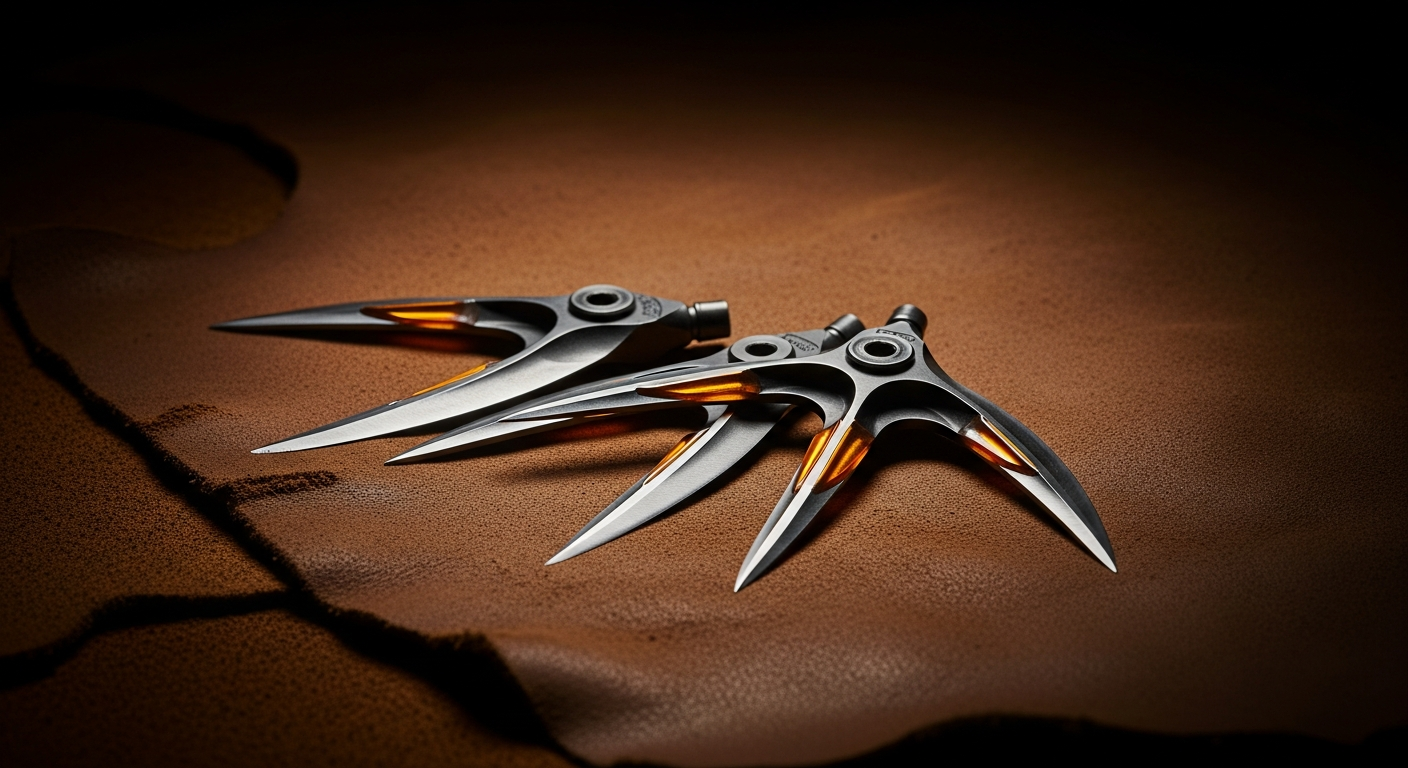
Slick Trick Broadheads
Slick Trick built the 4-blade compact fixed reputation with the Magnum and Standard. Short ferrule, huge cut for the head size, and .035 in blades that survive a scapula hit. Every state legal.

Iron Will Outfitters
Made-in-Montana solid one-piece broadheads with an A2 tool steel construction and lifetime edge guarantee. The elk and moose head of choice for penetration-first hunters. Not cheap. Worth it if you draw a limited quota tag.
Broadhead law by state
Fixed blade: Legal in all 50 states for big game archery seasons.
Mechanical: Legal in ~44 states for big game. Restricted or discouraged in Idaho (mechanicals prohibited for big game archery), Oregon (mechanicals prohibited), and check current-year Wyoming regs. Legal but not preferred for elk and moose where cut-on-contact fixed heads penetrate through heavy shoulders.
Cut-on-contact: Legal in all 50 states. Preferred or required in some traditional-archery-only hunts.
Minimum cut diameter: Most states require 7/8 in cut for big game. A handful (Georgia, Mississippi, others) require 1 in. Always confirm current-season regs with your state fish and wildlife agency.
Blade count: Some states specify minimum 2 sharpened edges. Most modern broadheads exceed this by default.
This is a research summary, not legal advice. Confirm the current season regulations with your state fish and wildlife agency before you buy or hunt.