Arrows for bowhunting
Spine, GPI, straightness, and diameter are the four numbers that decide whether an arrow flies. On this pillar we compare every major carbon hunt shaft on the same 65 lb Hoyt RX-7 reference rig, paper-tune the dozen, and walk-back-tune to a bare shaft before we call anything a recommendation.
300 / 340 / 400 / 500
Match to draw weight and arrow length.
6.5 – 12.0
Grains per inch. Heavier shaft = higher FOC potential.
.001 / .003 / .006
Inch of runout end to end. .001 is target-grade.
.204 / .246 / .300
Micro shafts penetrate deeper, catch less wind.
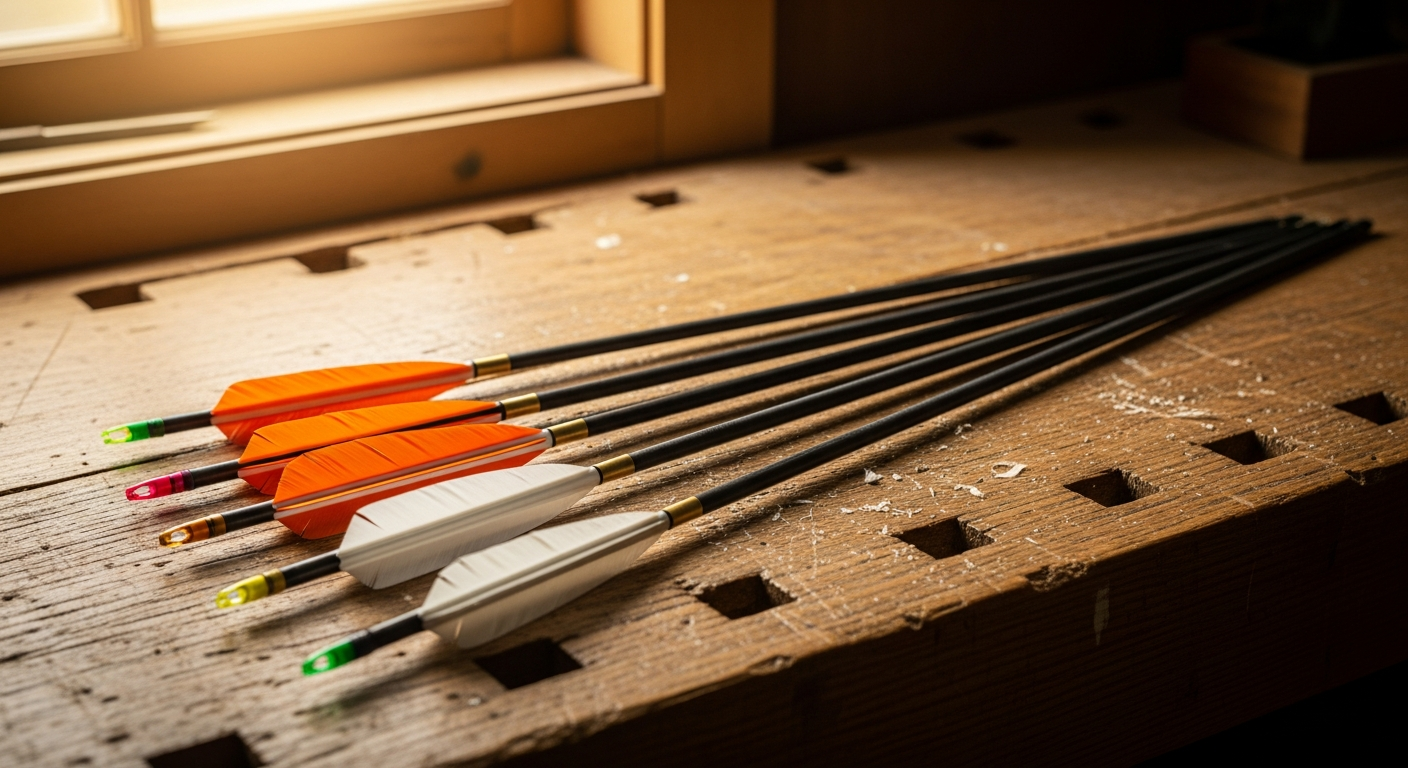
Every carbon shaft, honestly compared
Spine, GPI, straightness, and diameter are the four numbers that decide whether an arrow flies. We tune each shaft on the same 65 lb Hoyt RX-7, walk-back tune to a bare shaft, and paper-tune every dozen we recommend.
By diameter
By brand
How to pick a hunt arrow
Match spine to draw weight and arrow length (a 65 lb bow at 28 in draw shoots a 340 spine for most shooters). Chase GPI: heavier shaft means higher FOC, deeper penetration, better forgiveness on marginal hits. Prefer .003 straightness over .006 unless the price gap breaks the budget. Micro-diameter (.204 inner) shafts catch less wind at 60 yd and drive deeper on penetration.
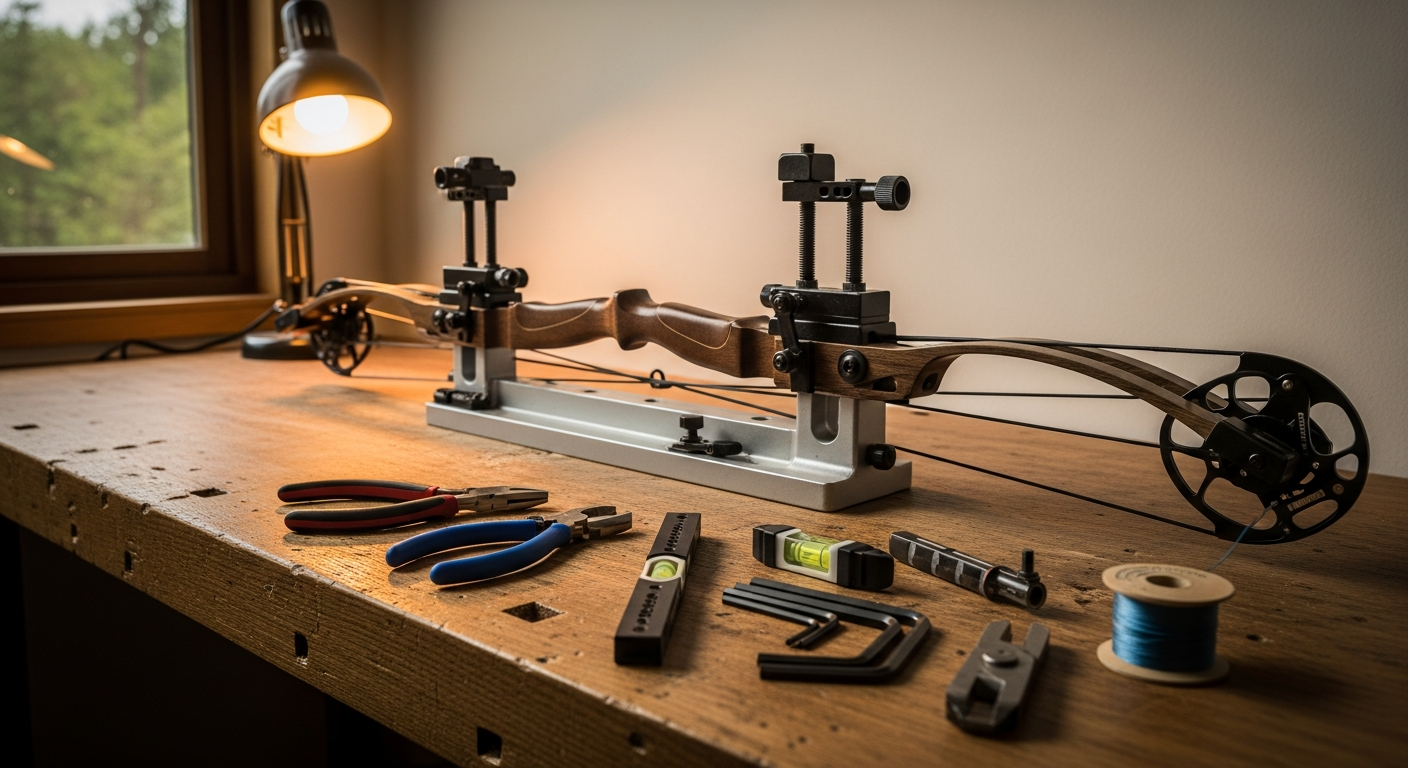
Tune your compound bow: 25 yd sight-in, walk-back, French tune
Do this in order. If the arrow does not print with the field point at 25 yards, no broadhead in the world is going to save you. This is the exact sequence we run on every review rig before we start shooting broadheads.
01. Set nocking point + center-shot
Nocking point 1/8 in above square. Center-shot at 13/16 in from the riser on a 65 lb Hoyt (adjust per bow spec). Verify with a bow square before you touch an arrow.
02. Paper tune
Shoot through paper at 6 ft. Read the tear. A tail-high tear means nocking point too high. A tail-left tear (right handed) means rest too far left. Adjust in 1/32 in increments. Chase a bullet hole; do not accept anything wider than a nock-width.
03. Sight-in at 25 yards
Sight-in the 20 yd pin first at 10 yards; a small mistake at 10 is a big mistake at 20. Move to 20, then set 30, 40, 50, 60 yd pins. Group of three per pin, minimum. If groups open past 5 in at 40 yd, back up and re-tune, not shoot more.
04. Walk-back tune
Sight-in at 20 yd. Move to 40, 50, 60 yd shooting the same 20 yd pin. If arrows drift left or right at distance, micro-adjust the rest laterally in 1/64 in increments. Perfect vertical line = center-shot true.
05. French tune (fine finish)
Shoot 5 yd + 30 yd at the same aim point. Arrows should stack vertically. Any lateral drift means micro rest-shim adjustments. This is the final polish before broadhead flight verification.
06. Broadhead verification
Shoot broadheads at 20 and 40 yd next to field points. Impact should be within 2 in of the same aim point. If not, adjust rest laterally toward the field-point group (broadheads are always more sensitive to yaw).